Water restriction bylaws enacted by Canadian municipalities during drought conditions directly affect how natural grass sports fields can be irrigated. For field managers at parks departments and recreational associations, understanding the structure of these bylaws — and knowing which exemptions or provisions may apply to municipal green spaces — is a practical necessity during dry summers.
This article describes how staged water restriction frameworks are generally structured in Canadian cities, what the stages typically permit and restrict regarding outdoor irrigation, and the approaches field managers have used to maintain turf viability during restriction periods.
How Staged Water Restriction Bylaws Work
Most Canadian municipalities with formal drought response bylaws use a staged system, typically ranging from Stage 1 (early advisory restrictions) through Stage 3 or Stage 4 (severe restrictions approaching near-total outdoor irrigation bans). Stages are triggered by indicators such as reservoir levels, stream flows, aquifer readings, or a combination of factors monitored by the municipal water utility.
The specific indicators, stage names, and permitted activities vary between municipalities. However, a general pattern is consistent:
- Stage 1 — Voluntary conservation. Residents and facilities are encouraged to reduce watering. Scheduled irrigation on sports fields may be restricted to off-peak hours (typically early morning, before 8 a.m., or overnight).
- Stage 2 — Mandatory restrictions. Specified watering days (odd/even address rotation, or specific days of the week) typically apply. Sports fields may be subject to the same day-of-week restrictions as residential users, or may be placed in a separate schedule for parks and recreation facilities.
- Stage 3 — Significant restrictions. Outdoor irrigation for most uses is substantially curtailed. Some municipalities exempt fields used for organized sport from the most restrictive provisions, while others treat all outdoor irrigation equally.
- Stage 4 — Emergency conditions. Outdoor irrigation is typically prohibited except for specific exemptions. At this stage, allowing cool-season turf to go dormant is generally the practical outcome for most community fields.
Exemptions for Municipal Sports Fields
Whether municipally maintained sports fields are subject to the same restrictions as private residential landscaping depends on the specific bylaw language. In many cities, municipal parks and recreation facilities are managed under separate internal water management policies that align with but may differ from the public-facing bylaw restrictions.
In Calgary, for example, the City's water restriction framework distinguishes between residential outdoor watering and city-managed parks irrigation. Decisions about whether to irrigate city-maintained athletic fields during restrictions are made based on the condition of the fields, the schedule of organized sport, and the overall water conservation targets for the declared stage.
In Metro Vancouver, the Drinking Water Conservation Regulation issued under the Water Sustainability Act sets out permitted uses for outdoor irrigation. Municipal parks departments in the region, including the City of Vancouver's parks board, publish their own field irrigation policies that are updated in response to active restriction stages.
Bylaw text changes. The details referenced here reflect general frameworks; always consult the current bylaw text published by the relevant municipality before making operational decisions.
Practical Approaches During Restriction Periods
Field managers working within water restriction constraints have used a range of approaches to maintain usable playing surfaces:
Prioritizing High-Use Fields
When overall irrigation is reduced, water is typically directed to fields with the highest-use schedules first. Fields hosting tournament play, youth leagues with large participant numbers, or heavily booked summer programs receive priority over lower-traffic practice areas.
Deep and Infrequent Irrigation
Rather than light daily watering, reducing the frequency while increasing the depth of each irrigation cycle encourages roots to grow deeper in the soil profile. Deeper roots access subsurface moisture more effectively during dry periods. This approach also tends to align better with time-of-day restrictions that limit irrigation to early morning windows.
Allowing Dormancy on Lower-Priority Fields
Cool-season grasses, including Kentucky bluegrass, can enter summer dormancy — ceasing active growth and turning tan or straw-coloured — and recover once regular irrigation resumes or fall rains arrive. Managing controlled dormancy on lower-priority fields allows water to be concentrated on fields that need to remain playable. A minimum threshold of moisture is still typically maintained to prevent permanent crown damage.
Post-Restriction Recovery
When restrictions are lifted, resuming irrigation gradually rather than applying large volumes quickly reduces the risk of surface runoff and allows the soil to rehydrate evenly. Fields that went fully dormant benefit from aeration and overseeding following rehydration to restore turf density before the next season's use.
Irrigation Infrastructure on Community Fields
The ability to comply with time-of-day and day-of-week irrigation restrictions depends partly on the irrigation infrastructure at each field. Fields with automated in-ground systems can be programmed to operate in the permitted window with minimal effort. Fields relying on above-ground hose-end sprinklers or portable equipment require manual management to comply with overnight-only or pre-dawn watering windows.
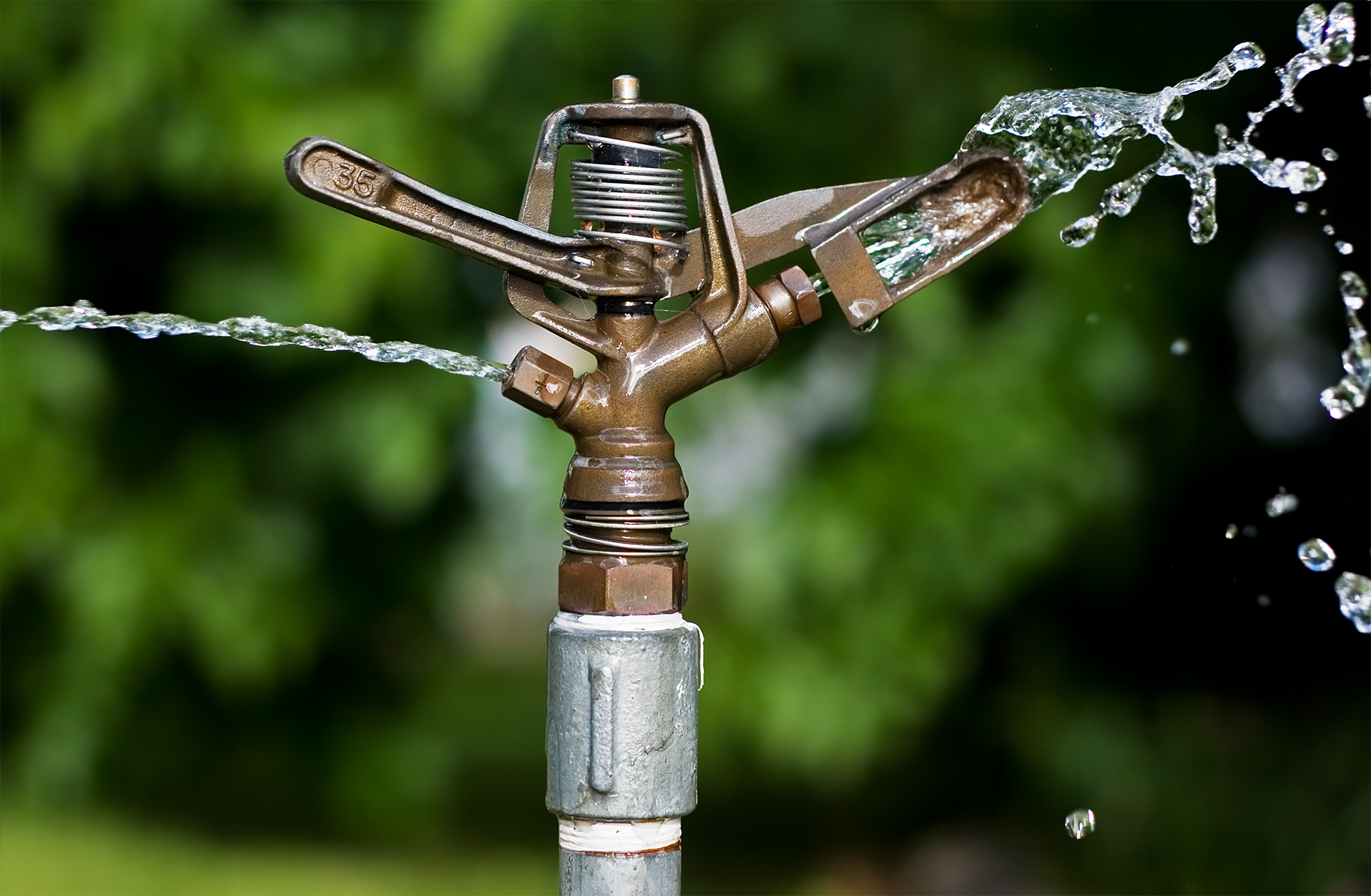
Many older community fields in Canadian municipalities use portable sprinkler systems without automated controls. Parks maintenance staff at these facilities typically adjust irrigation schedules manually when restriction stages are declared, which requires close coordination between the water utility's public communications and parks operations staff.
Related Topics
Drought periods also affect post-aeration recovery. When a field has recently been aerated and overseeded, adequate moisture in the first two to four weeks following treatment is critical for germination. If water restrictions limit irrigation during this window, the effectiveness of the aeration treatment is reduced. See the article on aeration timing for context on scheduling aeration relative to anticipated drought risk periods.