
Aeration Timing for Canadian Sports Fields: A Seasonal Guide
Core aeration schedules vary by region across Canada. This guide covers the optimal windows for cool-season turf in Ontario, Alberta, and British Columbia municipal fields.
Read article →Practical information on soil aeration schedules, drought-period irrigation restrictions, and line marking methods for soccer pitches and baseball diamonds at municipal and recreational facilities across Canada.
Detailed reference material on the seasonal maintenance practices used to keep community sports fields functional and safe.
Core aeration schedules vary by region across Canada. This guide covers the optimal windows for cool-season turf in Ontario, Alberta, and British Columbia municipal fields.
Read article →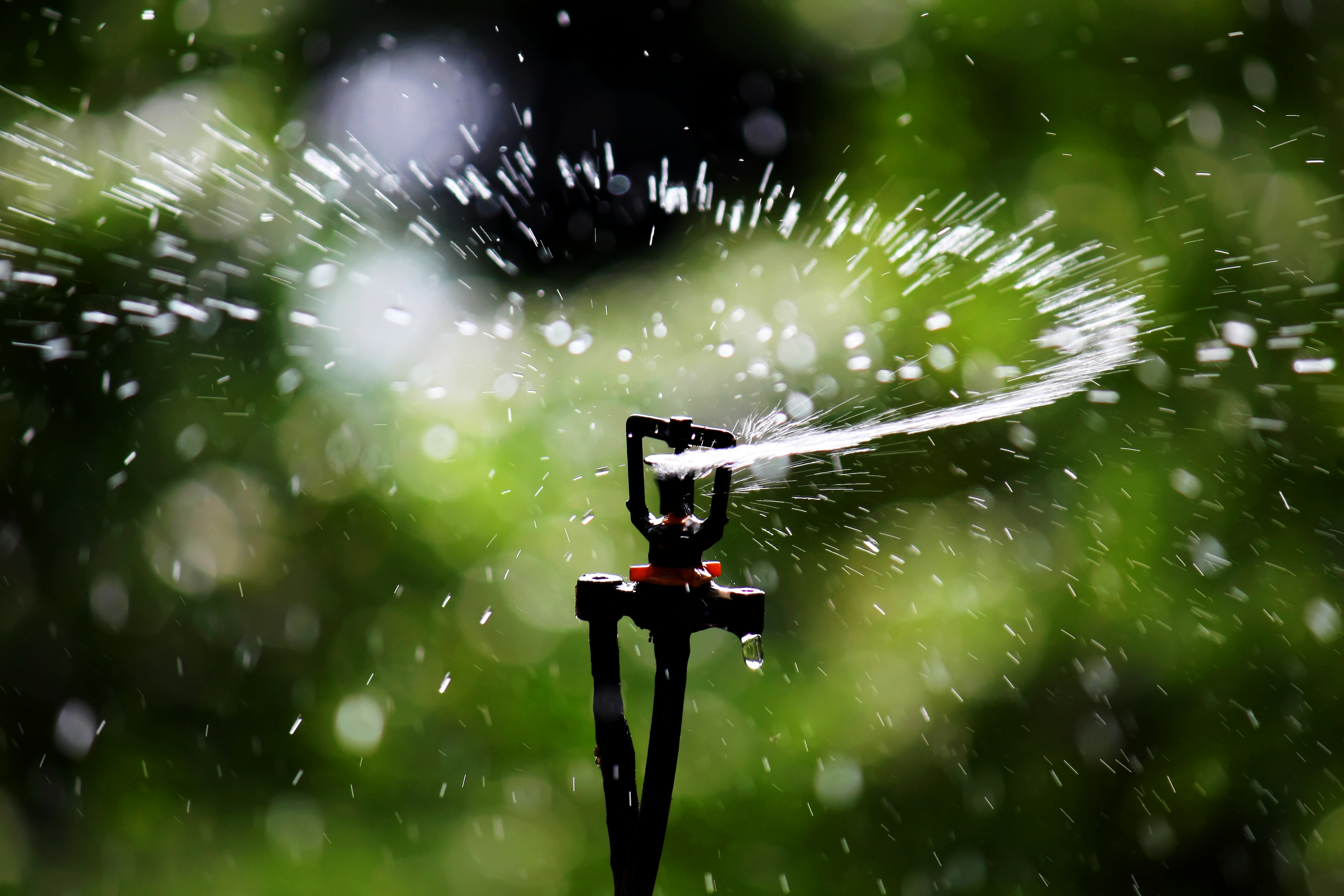
Many Canadian municipalities have enacted water restriction bylaws that directly affect sports field irrigation. An overview of how these bylaws are structured and how field managers typically respond.
Read article →
A comparison of aerosol, pump, and water-based line paint systems used on natural turf fields in Canada, including frequency schedules for dual-use facilities.
Read article →The site focuses on three interconnected areas of community sports field care, each of which has specific Canadian regional considerations.
Heavy foot traffic on community fields compacts soil, reducing gas exchange and water infiltration. Core aeration — using hollow-tine or solid-tine equipment — creates channels for roots and improves turf density over one to two growing seasons.
Extended dry periods, combined with municipal water restriction bylaws, require field managers to prioritize irrigation. Cool-season grasses such as Kentucky bluegrass and perennial ryegrass tolerate dormancy but require careful rehydration protocols.
Maintaining accurate boundary lines, goal areas, and base paths requires consistent application schedules and calibrated equipment. Paint dilution ratios and nozzle pressure settings affect visibility and turf impact.
Most Canadian community fields use Kentucky bluegrass, perennial ryegrass, or fine fescue blends. Each species responds differently to aeration stress, drought, and high-traffic periods during soccer and baseball seasons.
Municipalities including Toronto, Calgary, and Vancouver have published staged water restriction frameworks. Understanding Stage 1 through Stage 4 restrictions helps parks departments plan irrigation schedules in advance.
Many recreational facilities in Canada accommodate both soccer and baseball on the same natural grass surface. Coordinating the two sports' line marking and maintenance schedules reduces turf stress and conflicting markings.
Fieldhouse Co compiles reference information on sports field maintenance practices relevant to Canadian municipal parks, schools, and recreational associations. The content draws on publicly available agronomic guidance, provincial parks standards, and sports governing body field specifications.
Topics are limited to the intersection of turf science and community field operations: aeration timing, irrigation under water restriction bylaws, and line marking for soccer and baseball surfaces. Other sports or indoor facilities are not covered.
About this site →
For corrections, source suggestions, or general questions about field maintenance topics covered on this site.
The information on this site is provided for general reference only and does not constitute professional agronomic or legal advice. Municipal bylaw details change frequently — always consult the relevant municipality directly before making irrigation or maintenance decisions.